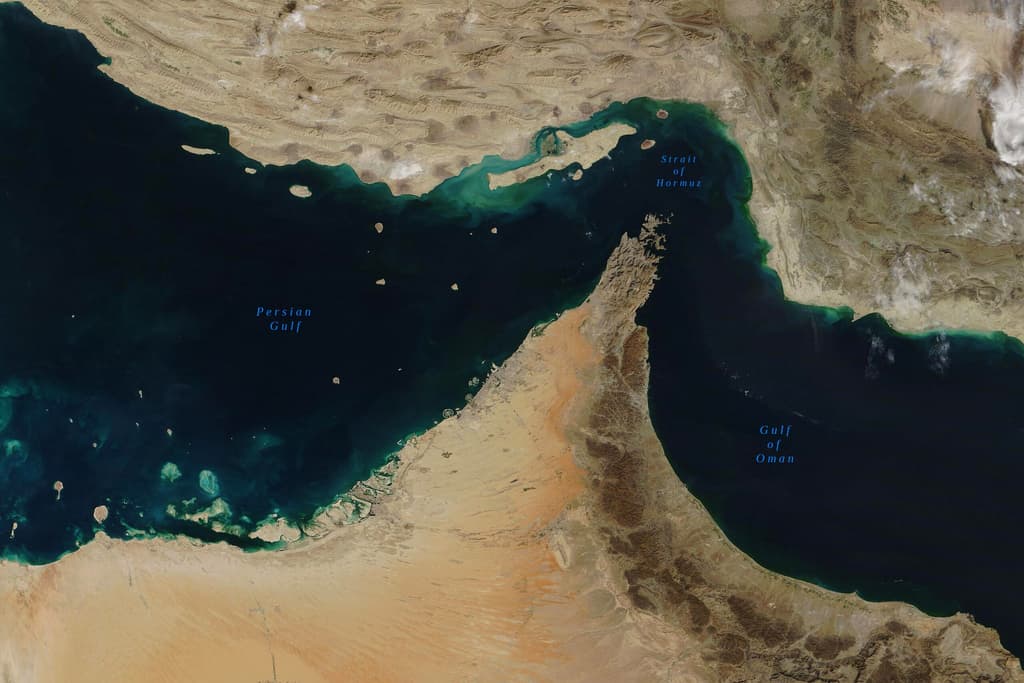
Ongoing Iran-U.S. hostilities since early 2026 have kept commercial traffic through the Strait of Hormuz at severely reduced levels, with daily transits averaging just 3–15 vessels versus roughly 130 pre-crisis, according to maritime trackers. Recent U.S. strikes on Iranian rocket launchers near the strait on August 30—the first direct military action in weeks—followed Iranian preparations to deploy sea mines, underscoring persistent kinetic risks and mine hazards. War-risk insurance premiums remain around 40 times normal, stranding hundreds of vessels and prompting major carriers to reroute or halt transits entirely. Iran continues asserting administrative control and negotiating corridors with Oman, yet no framework has restored safe, unrestricted navigation or cleared the traffic separation scheme. These factors sustain trader consensus that full normalization is unlikely by year-end.
Eksperymentalne podsumowanie AI odwołujące się do danych Polymarket. To nie jest porada handlowa i nie ma wpływu na rozstrzyganie tego rynku. · ZaktualizowanoStrait of Hormuz traffic returns to normal by December 31?
Strait of Hormuz traffic returns to normal by December 31?
$10,100,673 Wol.
$10,100,673 Wol.
$10,100,673 Wol.
$10,100,673 Wol.
Daily transit calls include container, dry bulk, roll-on/roll-off, general cargo, and tanker ships. Ships not reported by IMF Portwatch will not be considered.
This market will resolve as soon as IMF Portwatch publishes a 7-day moving average of transit calls equal to or above the specified level, or once data has been published for the final date in the specified period and no such value has been published. If no data has been published for the final date of the specified period within 14 calendar days (ET) after the end of that period, this market will resolve based on data published up to that point.
Revisions to previously published data points made within this market’s timeframe will be considered. However, they will not disqualify a previously published data point from qualifying. Revisions to previously published data points after data is published for December 31, 2026, however, will not be considered.
In case of obvious data integrity issues (i.e., erroneous data), the market may remain open until the end of the third calendar day (ET) after the date on which such data is first released to allow for corrections. Data integrity issues refer only to clerical or other similar errors in the underlying data, and do not include cases where IMF Portwatch differs from alternative sources.
The resolution source for this market will be IMF Portwatch, specifically the transit calls data published for the Strait of Hormuz at https://portwatch.imf.org/pages/cb5856222a5b4105adc6ee7e880a1730, both in the chart and through downloadable files.
Rynek otwarty: May 11, 2026, 8:59 AM ET
Rozstrzygający
0x65070BE91...Daily transit calls include container, dry bulk, roll-on/roll-off, general cargo, and tanker ships. Ships not reported by IMF Portwatch will not be considered.
This market will resolve as soon as IMF Portwatch publishes a 7-day moving average of transit calls equal to or above the specified level, or once data has been published for the final date in the specified period and no such value has been published. If no data has been published for the final date of the specified period within 14 calendar days (ET) after the end of that period, this market will resolve based on data published up to that point.
Revisions to previously published data points made within this market’s timeframe will be considered. However, they will not disqualify a previously published data point from qualifying. Revisions to previously published data points after data is published for December 31, 2026, however, will not be considered.
In case of obvious data integrity issues (i.e., erroneous data), the market may remain open until the end of the third calendar day (ET) after the date on which such data is first released to allow for corrections. Data integrity issues refer only to clerical or other similar errors in the underlying data, and do not include cases where IMF Portwatch differs from alternative sources.
The resolution source for this market will be IMF Portwatch, specifically the transit calls data published for the Strait of Hormuz at https://portwatch.imf.org/pages/cb5856222a5b4105adc6ee7e880a1730, both in the chart and through downloadable files.
Rozstrzygający
0x65070BE91...Ongoing Iran-U.S. hostilities since early 2026 have kept commercial traffic through the Strait of Hormuz at severely reduced levels, with daily transits averaging just 3–15 vessels versus roughly 130 pre-crisis, according to maritime trackers. Recent U.S. strikes on Iranian rocket launchers near the strait on August 30—the first direct military action in weeks—followed Iranian preparations to deploy sea mines, underscoring persistent kinetic risks and mine hazards. War-risk insurance premiums remain around 40 times normal, stranding hundreds of vessels and prompting major carriers to reroute or halt transits entirely. Iran continues asserting administrative control and negotiating corridors with Oman, yet no framework has restored safe, unrestricted navigation or cleared the traffic separation scheme. These factors sustain trader consensus that full normalization is unlikely by year-end.
Eksperymentalne podsumowanie AI odwołujące się do danych Polymarket. To nie jest porada handlowa i nie ma wpływu na rozstrzyganie tego rynku. · Zaktualizowano
Uważaj na linki zewnętrzne.
Uważaj na linki zewnętrzne.
Często zadawane pytania