
Ongoing tensions in the Strait of Hormuz, including U.S. naval escorts for limited commercial traffic amid Iranian threats, drone strikes, and residual mine risks, drive trader focus on which nations will deploy warships by year-end. Disruptions have slashed daily transits to roughly 10 vessels from a pre-crisis average near 130, elevating Brent crude volatility—with prices recently near $80–90 per barrel after earlier spikes above $125—and widening refined-product crack spreads amid Gulf export shortfalls exceeding 9 million barrels per day. U.S. carriers such as the Abraham Lincoln and supporting destroyers, already positioned in the Gulf of Oman, underscore sustained military logistics costs and insurance premia that amplify energy-market uncertainty. Key near-term catalysts include mine-clearance verification, potential U.S.-Iran talks mediated by Qatar or Oman, and any new carrier rotations, all of which could shift naval footprints and associated supply-risk pricing before December 31.
สรุปจาก AI ทดลองที่อ้างอิงข้อมูลจาก Polymarket ไม่ใช่คำแนะนำในการเทรดและไม่มีผลต่อการตัดสินตลาดนี้ · อัปเดตแล้วWhich countries will send warships through the Strait of Hormuz by December 31?
Which countries will send warships through the Strait of Hormuz by December 31?
$37,830 ปริมาณ

Italy
19%

US
17%

UK
17%

Australia
10%

Netherlands
9%

Germany
8%

Greece
24%

France
6%
$37,830 ปริมาณ
Italy
19%
US
17%
UK
17%
Australia
10%
Netherlands
9%
Germany
8%
Greece
24%
France
6%
A "warship transit" is defined as a military vessel passing through the Strait of Hormuz. Military cargo or support vessels will be considered “warships”; however, commercial or civilian vessels will not qualify.
For the purposes of this market, only transits through the Strait of Hormuz will be considered, defined as passage through the narrowest portion of the waterway between Iran and Oman. Operations solely in the Persian Gulf, Gulf of Oman, or Arabian Sea without passage through this narrowest section will not qualify.
Official confirmation by a national government or its military that its vessels transited through the Strait of Hormuz during the specified timeframe will resolve this market immediately. An overwhelming consensus of credible reporting confirming that such a transit occurred during the specified timeframe will also suffice.
Qualifying confirmations must be made within this markets above specified timeframe and include official announcements that a country has deployed naval vessels to transit or escort shipping through the Strait of Hormuz.
Confirmations referring only to naval presence in the broader region, including the Persian Gulf, Gulf of Oman, or Arabian Sea, without confirmed transit through the Strait itself, as well as aerial operations, cyber operations, or actions by proxies or third parties, will not alone qualify.
The primary resolution source for this market will be official information by the respective national governments or their militaries; however, an overwhelming consensus of credible reporting will also suffice.
ตลาดเปิดเมื่อ: Aug 26, 2026, 6:17 PM ET
ผู้ตัดสินผล
0x65070BE91...A "warship transit" is defined as a military vessel passing through the Strait of Hormuz. Military cargo or support vessels will be considered “warships”; however, commercial or civilian vessels will not qualify.
For the purposes of this market, only transits through the Strait of Hormuz will be considered, defined as passage through the narrowest portion of the waterway between Iran and Oman. Operations solely in the Persian Gulf, Gulf of Oman, or Arabian Sea without passage through this narrowest section will not qualify.
Official confirmation by a national government or its military that its vessels transited through the Strait of Hormuz during the specified timeframe will resolve this market immediately. An overwhelming consensus of credible reporting confirming that such a transit occurred during the specified timeframe will also suffice.
Qualifying confirmations must be made within this markets above specified timeframe and include official announcements that a country has deployed naval vessels to transit or escort shipping through the Strait of Hormuz.
Confirmations referring only to naval presence in the broader region, including the Persian Gulf, Gulf of Oman, or Arabian Sea, without confirmed transit through the Strait itself, as well as aerial operations, cyber operations, or actions by proxies or third parties, will not alone qualify.
The primary resolution source for this market will be official information by the respective national governments or their militaries; however, an overwhelming consensus of credible reporting will also suffice.
ผู้ตัดสินผล
0x65070BE91...Ongoing tensions in the Strait of Hormuz, including U.S. naval escorts for limited commercial traffic amid Iranian threats, drone strikes, and residual mine risks, drive trader focus on which nations will deploy warships by year-end. Disruptions have slashed daily transits to roughly 10 vessels from a pre-crisis average near 130, elevating Brent crude volatility—with prices recently near $80–90 per barrel after earlier spikes above $125—and widening refined-product crack spreads amid Gulf export shortfalls exceeding 9 million barrels per day. U.S. carriers such as the Abraham Lincoln and supporting destroyers, already positioned in the Gulf of Oman, underscore sustained military logistics costs and insurance premia that amplify energy-market uncertainty. Key near-term catalysts include mine-clearance verification, potential U.S.-Iran talks mediated by Qatar or Oman, and any new carrier rotations, all of which could shift naval footprints and associated supply-risk pricing before December 31.
สรุปจาก AI ทดลองที่อ้างอิงข้อมูลจาก Polymarket ไม่ใช่คำแนะนำในการเทรดและไม่มีผลต่อการตัดสินตลาดนี้ · อัปเดตแล้ว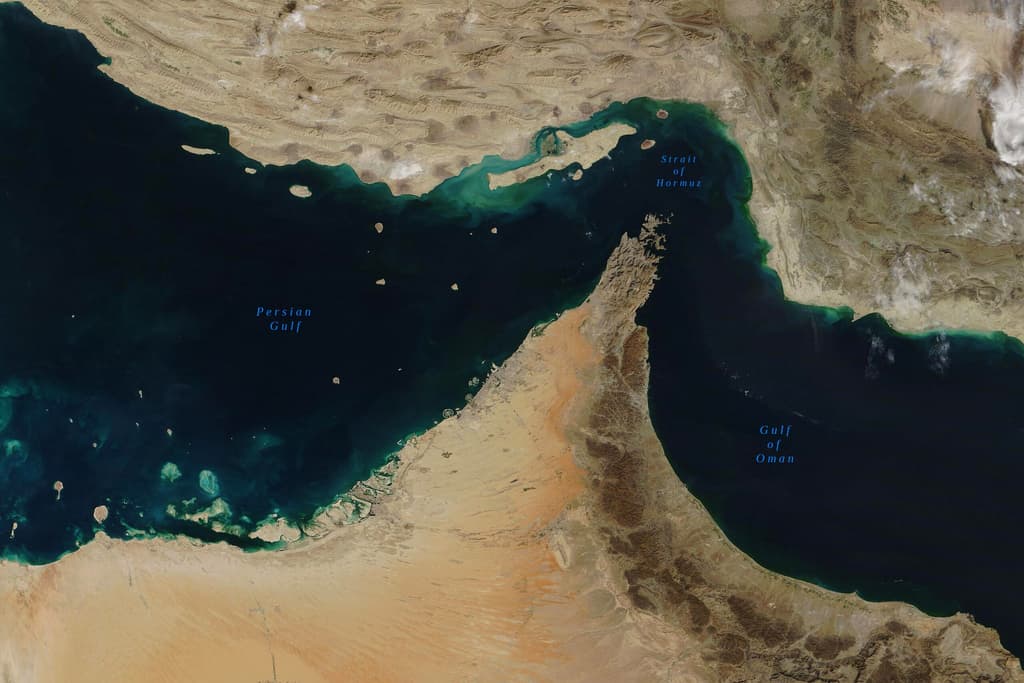
ระวังลิงก์ภายนอก
ระวังลิงก์ภายนอก
คำถามที่พบบ่อย