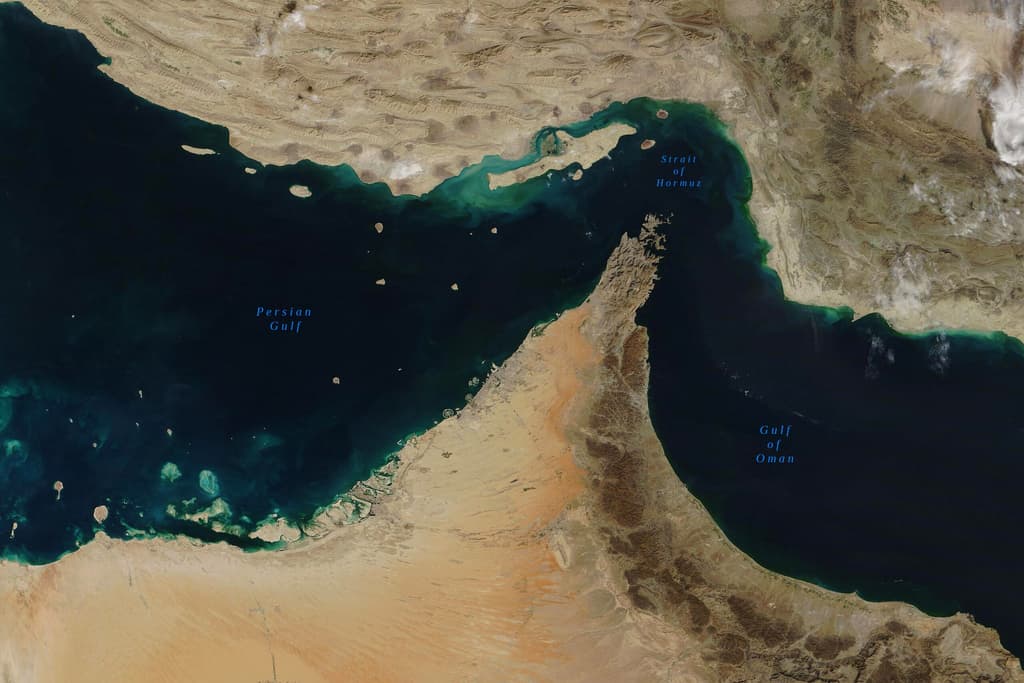
Ongoing US-Iran military exchanges, including recent American strikes on Iranian rocket launchers near the strait and reciprocal Iranian actions, sustain elevated risks that keep commercial transits at roughly 4-10% of pre-2026 levels. War-risk insurance remains around 40 times normal premiums, major carriers have rerouted or suspended passages, and thousands of vessels and crew stay stranded inside the Gulf. Iranian authorities continue enforcing unilateral routing controls and fees through northern lanes, while southern corridors face persistent threats from mines, drones, and sanctions exposure. Multiple temporary ceasefires and memoranda since March have collapsed without restoring the Traffic Separation Scheme or IMO frameworks, leaving throughput reliant on shadow-fleet or escorted movements. These factors sustain trader consensus that full normalization by year-end faces significant structural and security barriers.
基于Polymarket数据的AI实验性摘要。这不是交易建议,也不影响该市场的结算方式。 · 更新于是
$10,072,341 交易量
$10,072,341 交易量
是
$10,072,341 交易量
$10,072,341 交易量
Daily transit calls include container, dry bulk, roll-on/roll-off, general cargo, and tanker ships. Ships not reported by IMF Portwatch will not be considered.
This market will resolve as soon as IMF Portwatch publishes a 7-day moving average of transit calls equal to or above the specified level, or once data has been published for the final date in the specified period and no such value has been published. If no data has been published for the final date of the specified period within 14 calendar days (ET) after the end of that period, this market will resolve based on data published up to that point.
Revisions to previously published data points made within this market’s timeframe will be considered. However, they will not disqualify a previously published data point from qualifying. Revisions to previously published data points after data is published for December 31, 2026, however, will not be considered.
In case of obvious data integrity issues (i.e., erroneous data), the market may remain open until the end of the third calendar day (ET) after the date on which such data is first released to allow for corrections. Data integrity issues refer only to clerical or other similar errors in the underlying data, and do not include cases where IMF Portwatch differs from alternative sources.
The resolution source for this market will be IMF Portwatch, specifically the transit calls data published for the Strait of Hormuz at https://portwatch.imf.org/pages/cb5856222a5b4105adc6ee7e880a1730, both in the chart and through downloadable files.
市场开放时间: May 11, 2026, 8:59 AM ET
Daily transit calls include container, dry bulk, roll-on/roll-off, general cargo, and tanker ships. Ships not reported by IMF Portwatch will not be considered.
This market will resolve as soon as IMF Portwatch publishes a 7-day moving average of transit calls equal to or above the specified level, or once data has been published for the final date in the specified period and no such value has been published. If no data has been published for the final date of the specified period within 14 calendar days (ET) after the end of that period, this market will resolve based on data published up to that point.
Revisions to previously published data points made within this market’s timeframe will be considered. However, they will not disqualify a previously published data point from qualifying. Revisions to previously published data points after data is published for December 31, 2026, however, will not be considered.
In case of obvious data integrity issues (i.e., erroneous data), the market may remain open until the end of the third calendar day (ET) after the date on which such data is first released to allow for corrections. Data integrity issues refer only to clerical or other similar errors in the underlying data, and do not include cases where IMF Portwatch differs from alternative sources.
The resolution source for this market will be IMF Portwatch, specifically the transit calls data published for the Strait of Hormuz at https://portwatch.imf.org/pages/cb5856222a5b4105adc6ee7e880a1730, both in the chart and through downloadable files.
Ongoing US-Iran military exchanges, including recent American strikes on Iranian rocket launchers near the strait and reciprocal Iranian actions, sustain elevated risks that keep commercial transits at roughly 4-10% of pre-2026 levels. War-risk insurance remains around 40 times normal premiums, major carriers have rerouted or suspended passages, and thousands of vessels and crew stay stranded inside the Gulf. Iranian authorities continue enforcing unilateral routing controls and fees through northern lanes, while southern corridors face persistent threats from mines, drones, and sanctions exposure. Multiple temporary ceasefires and memoranda since March have collapsed without restoring the Traffic Separation Scheme or IMO frameworks, leaving throughput reliant on shadow-fleet or escorted movements. These factors sustain trader consensus that full normalization by year-end faces significant structural and security barriers.
基于Polymarket数据的AI实验性摘要。这不是交易建议,也不影响该市场的结算方式。 · 更新于
警惕外部链接哦。
警惕外部链接哦。
常见问题