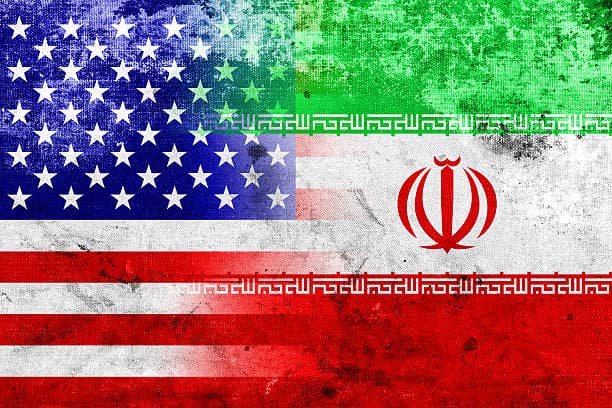
The current trader consensus against a U.S. invasion of Iran before 2027 reflects an ongoing conflict centered on airstrikes, naval operations around the Strait of Hormuz, and intensified economic sanctions rather than ground operations. Following the 2026 escalation that included U.S. and Israeli strikes, the Trump administration has pursued limited targeting of Iranian military assets—such as the August 30 strikes on launchers on Larak Island—while emphasizing secondary sanctions and blockades to pressure Tehran on its nuclear program and shipping lanes. Iranian retaliations have remained asymmetric, and officials on both sides have signaled openness to mediated talks via Qatar and Oman, despite stalled MOUs. Analysts note that a large-scale ground invasion would require resources far exceeding current regional deployments and carries substantial risks, leading markets to price in continuity of the air-and-economic campaign through the resolution window.
Experimental AI-generated summary referencing Polymarket data. This is not trading advice and plays no role in how this market resolves. · UpdatedWill the U.S. invade Iran before 2027?
Will the U.S. invade Iran before 2027?
$63,412,381 Vol.
$63,412,381 Vol.
$63,412,381 Vol.
$63,412,381 Vol.
For the purposes of this market, land de facto controlled by Iran or the United States as of November 4, 2025 12:00 PM ET, will be considered the sovereign territory of that country.
The resolution source for this market will be a consensus of credible sources.
Market Opened: Nov 5, 2025, 12:51 PM ET
Resolver
0x65070BE91...For the purposes of this market, land de facto controlled by Iran or the United States as of November 4, 2025 12:00 PM ET, will be considered the sovereign territory of that country.
The resolution source for this market will be a consensus of credible sources.
Resolver
0x65070BE91...The current trader consensus against a U.S. invasion of Iran before 2027 reflects an ongoing conflict centered on airstrikes, naval operations around the Strait of Hormuz, and intensified economic sanctions rather than ground operations. Following the 2026 escalation that included U.S. and Israeli strikes, the Trump administration has pursued limited targeting of Iranian military assets—such as the August 30 strikes on launchers on Larak Island—while emphasizing secondary sanctions and blockades to pressure Tehran on its nuclear program and shipping lanes. Iranian retaliations have remained asymmetric, and officials on both sides have signaled openness to mediated talks via Qatar and Oman, despite stalled MOUs. Analysts note that a large-scale ground invasion would require resources far exceeding current regional deployments and carries substantial risks, leading markets to price in continuity of the air-and-economic campaign through the resolution window.
Experimental AI-generated summary referencing Polymarket data. This is not trading advice and plays no role in how this market resolves. · Updated


Beware of external links.
Beware of external links.
Frequently Asked Questions